
For many Waco residents, the sight of a snake in the yard or on a walking path can be alarming. It’s a common issue, mainly as the climate warms up and these reptiles become more active. The duration of increased snake activity is often referred to as “snake season”. While it’s natural to be careful, it is important to separate facts from fear. Not all snakes in Waco are dangerous, and with the proper knowledge, you can coexist safely.
This article will assist you in understanding when snake season happens, which species are common in Waco, and provide practical tips for keeping your family and pets safe.
When Is Snake Season in Waco?
Snakes are cold-blooded animals, which means their activity is immediately tied to the temperature. In Waco, snake season commonly starts as temperatures rise in the spring, around late February and March, as they emerge from hibernation. Their activity peaks all through the hot summer months and lasts through early fall, especially in July and August when temperatures always stay above 90°F.
Heavy rainfall and flooding can also increase snake sightings. When their habitats are flooded, snakes seek higher, drier ground, which can be your backyard or home.
Common Snakes Found in Waco
The Central Texas vicinity is home to a huge variety of snake species, both venomous and non-venomous. Most of the snakes you come across could be harmless and are a natural part of the surroundings, helping to control rodent populations.
Non-Venomous Species
Texas Rat Snake:
A large, common snake frequently found in suburban regions. It can climb bushes and structures and is a great natural form of pest control.
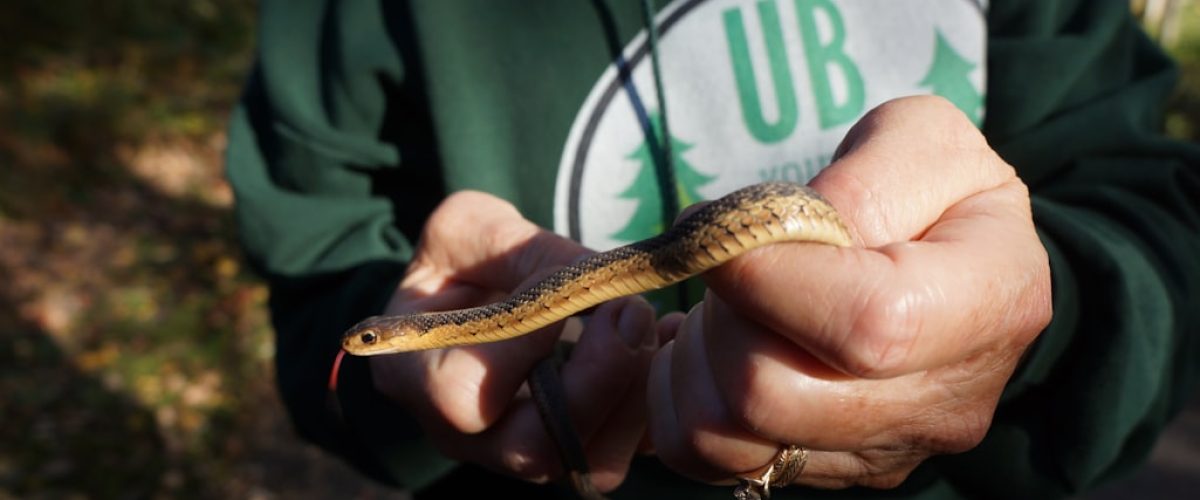
Checkered Garter Snake:
A small to medium-sized snake is often discovered close to water. It has a one-of-a-kind checkered pattern.
Western Garter Snake and Ribbon Snakes:
Slender snakes with stripes running down their bodies.
Bullsnake:
A big, non-venomous snake that can mimic a rattlesnake with the aid of hissing and coiling up, but it has no rattle.
Venomous Species to Watch For
While rare, it is essential to identify these venomous snakes that are found in the Waco area.
Western Cottonmouth (Water Moccasin):
Found close to rivers, ponds, and different bodies of water. They have a darkish, heavy body and can display an exclusive white mouth when threatened.
Copperhead:
Recognized with the help of their hourglass-shaped, coppery-coloured bands. Their bites are hardly ever deadly; however, they require immediate clinical attention.
Rattlesnakes:
There are numerous species of rattlesnakes in Texas, which include the Western Diamondback Rattlesnake. The most obvious identifier is the rattle at the end of their tail, which they use as a warning.
Texas Coral Snake:
A very reclusive and shy snake with a vivid pattern of red, black, and yellow rings. An easy rhyme can help with identification: “Red touch yellow, kill a fellow; red contact black, venom lack.”
Is Snake Season Dangerous?
The good news is that loss of life from venomous snakebites is extremely rare. On average, one to 2 people die from snakebites in Texas every 12 months. Most snakes aren’t aggressive and will try to avoid people. Bites most commonly occur while a snake is surprised, cornered, or while someone tries to handle it. The number one danger of snake season is to curious pets or people who roam around in the regions where snakes are probably hiding.
How to Stay Safe During Snake Season
Taking simple precautions can drastically reduce your risk of a snake encounter.
Keep Your Yard Tidy:
Remove woodpiles, rock piles, and other debris that snakes might use for hiding. Keep your grass mowed and shrubs trimmed away from your home’s foundation.
Seal Entry Points:
Check your house for cracks in the basement, gaps around pipes, and unsealed doors that a snake could use to get in.
Be Cautious Outdoors:
When hiking or walking in tall grass or wooded regions, wear boots and long pants. Use a flashlight when strolling at night.
Protect Your Pets:
Keep pets on a leash and do not allow them to explore dense brush. If you stay in a place with a high risk of snakes, consider snake aversion training for your pet.
Do’s and Don’ts if you see a snake:
- DO back away slowly and provide the snake space.
- DON’T try to handle, move, or kill the snake.
- DO remain calm if you or a pet is bitten and is seeking on-the-spot medical assistance.
- DON’T attempt to suck out the venom or apply a tourniquet.
Professional Snake Removal in Waco
Most snakes will move on their own, but if you have a lot of snakes or a snake that is venomous snake, you need to call in a specialist. Removing snakes yourself is quite dangerous and could get you bitten. Trained experts have the knowledge and tools to find the species, properly get rid of it, and implement measures to prevent it from coming back.
For homeowners in Waco, we at Action Services provide local pest control professionals with a more secure and more powerful answer. We can perform a thorough inspection to pick out hiding spots, remove snakes, and provide long-term prevention recommendations. For reliable snake control, expert assistance is the best way to ensure your safety and peace of mind.
FAQ: What to Expect Each Year During Snake Season in Waco?
When is snake season?
Typically, from early spring through early fall, with high activity in the hot, humid summer months (June-August).
Does the weather affect it?
Yes, snakes are more active after intervals of heavy rain or flooding as they look for better ground.
What are the long-term solutions?
Keeping your own home free of debris and dense plants is a great way to save you from snakes making your backyard their home. If you have ongoing trouble, remember to call a professional pest control company for inspection.
Conclusion
Snake season is a natural part of life in Central Texas. While it’s critical to be aware and careful, there is no need to be afraid. By understanding which snakes are in your region, taking simple safety precautions, and understanding how to call an expert, you can make sure your home and yard remain a safe and secure environment for everybody.