
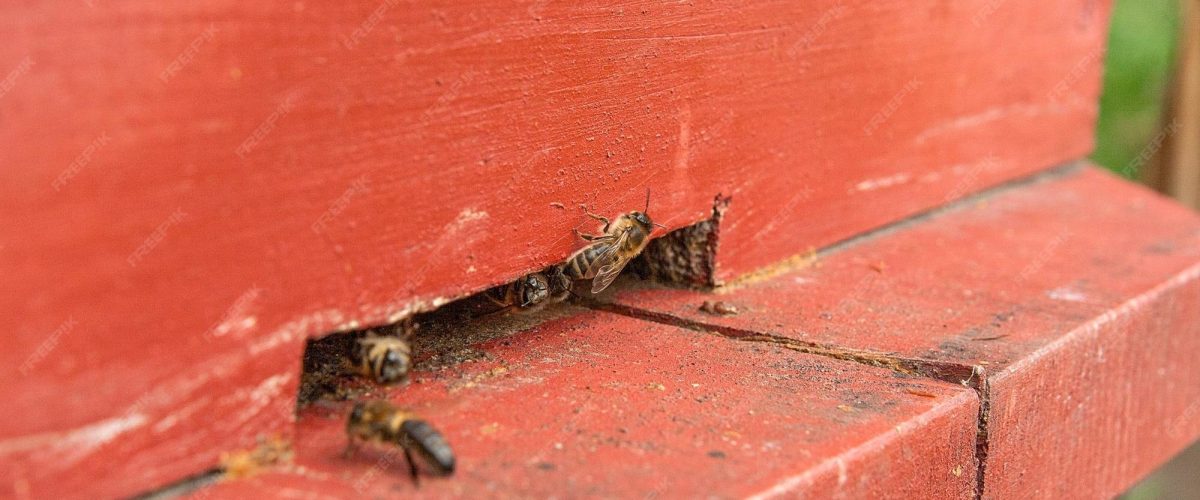
Drive through almost any established neighborhood in Waco and you’ll pass dozens of homes built from wood decades ago that are still standing strong today. Given that Central Texas has one of the most favorable climates in the country for termites and wood-boring beetles, that’s no small accomplishment. It isn’t luck. It’s the result of smart building choices, consistent maintenance, and, in most cases, professional pest protection working quietly in the background year after year.
This article breaks down exactly what threatens wood-framed homes in the Waco area, how homeowners and builders actually keep those threats in check, and what you can do right now to make sure your own home stays on the “still standing strong” side of that equation.
Why Waco’s Climate Makes Wood-Destroying Pests Such a Serious Threat
Termites and wood-boring beetles thrive in warm, humid conditions, and Central Texas delivers exactly that for most of the year. Add in clay soils that hold moisture, older housing stock with plenty of untreated lumber, and a landscape full of trees, mulch beds, and wooden fences, and you have close to ideal conditions for an infestation to take hold.
Termites alone cause billions of dollars in property damage across the United States every year, and Texas is consistently ranked among the states at highest risk. Unlike many household pests, termite damage is rarely covered by standard homeowners insurance, which means prevention isn’t just about protecting the structure — it’s about protecting your wallet.
It’s Not Just Termites: Understanding the Different Wood-Destroying Pests
“Woodworm” is a term many homeowners use loosely to describe any small holes or powdery damage showing up in wood, but in the United States, that kind of damage is almost always the work of wood-boring beetles rather than true termites. Knowing the difference matters, because the treatment approach for each is completely different.
Subterranean Termites
The most common and most destructive wood pest in the Waco area. Subterranean termites live in underground colonies and travel into a structure through pencil-width mud tubes built along foundations, piers, and crawl spaces. They need constant contact with soil moisture to survive, which is why they’re drawn to damp crawl spaces, leaky plumbing, and areas where wood touches the ground. Their damage is often hidden, since they eat wood from the inside out and leave a thin, intact-looking outer shell — a beam or joist can look completely fine right up until it’s tapped and found to be hollow.
Drywood Termites
Less common in Central Texas than in coastal regions, but still occasionally found. Unlike their subterranean cousins, drywood termites don’t need soil contact and can infest dry structural lumber, attic framing, and fence posts directly.
Powderpost Beetles
Often what people actually mean when they say “woodworm.” These are small, cylindrical beetles whose larvae tunnel through untreated or unfinished wood, eventually chewing their way out as adults through tiny, round exit holes. The telltale sign is a fine, flour-like powder (called frass) collecting beneath the affected wood. Unlike termites, powderpost beetles work slowly, and an infestation can persist quietly for years before enough damage accumulates to be noticeable.
Carpenter Ants
These don’t actually eat wood the way termites and beetles do — they excavate it to build nesting galleries, leaving smooth, clean tunnels and small piles of sawdust-like shavings behind. They’re drawn to wood that’s already soft or damp from moisture damage, often near leaky pipes, window sills, or rotting fence posts.
Old House Borers and Other Beetles
Less commonly discussed but still present in the region, old house borers can lie dormant in structural lumber for years before becoming active, chewing through the wood from within and occasionally causing damage that closely resembles termite activity.
Because these pests leave different evidence and require different treatments, a professional inspection that correctly identifies which one you’re dealing with is the single most important step before any treatment plan begins.
How Waco Homes Are Actually Built and Protected to Withstand These Pests
The wood-framed homes that hold up best in Waco generally benefit from a layered defense, combining smart construction choices with ongoing maintenance and professional treatment.
1. Pre-Construction Soil Treatment
For new builds and additions, treating the soil before the foundation is poured creates a long-lasting chemical barrier between the ground and the structure above it. This “pretreatment” approach stops subterranean termites from ever establishing a path into the home in the first place, rather than trying to remove them after they’ve already moved in.
2. Borate Wood Treatments
Applying a borate-based solution directly to framing lumber, sill plates, and other structural wood creates a long-lasting layer of protection against both termites and wood-boring beetles. Borate treatments penetrate the wood itself, meaning the wood remains protected even years after the initial application, as long as it isn’t later sealed with paint or polyurethane, which can block the treatment from working properly on future re-applications.
3. Physical Barriers and Smart Design Choices
Keeping structural wood elevated and separated from direct soil contact, using treated lumber for any wood near ground level, and ensuring proper drainage away from the foundation all reduce the moisture and access points that termites depend on.
4. Liquid Termiticide Barriers
A perimeter barrier of liquid termiticide around the foundation has been a standard, reliable method of keeping subterranean termites out for decades. These treatments typically remain effective for several years before requiring reapplication, and even a very small gap in the barrier can potentially give termites another way in, which is why professional application and monitoring matter.
5. Baiting Systems
Rather than relying purely on a chemical barrier, baiting systems place termite-attractive stations around the property that worker termites carry back to their colony, gradually eliminating the entire colony rather than just the termites near the surface. This method has become popular for its more targeted, lower-chemical-volume approach.
6. Ongoing Professional Monitoring
Even a well-protected home benefits from regular inspections. Termite colonies can rebuild, environmental conditions change, and a treatment barrier can degrade over time. Scheduled monitoring catches early activity before it becomes structural damage.
Warning Signs Every Waco Homeowner Should Recognize
Catching a problem early is what separates a minor repair from a major, expensive one. Watch for:
- Mud tubes running along your foundation, crawl space walls, or piers — a clear sign of subterranean termite activity
- Hollow-sounding or spongy wood when tapped with a screwdriver handle or knuckle
- Discarded, translucent wings collected near windowsills and doors, left behind after a termite swarm
- Small, round exit holes paired with fine, powdery frass underneath, which points to wood-boring beetles rather than termites
- Blistered or bubbled paint on wood surfaces, which can indicate termite activity just beneath the surface
- Visible swarms of winged insects, especially in spring, emerging from the ground or from wood near the foundation
- Doors and windows that suddenly stick without an obvious cause, which can point to warping from moisture and hidden wood damage
If you notice any of these signs, the safest move is scheduling a professional inspection rather than waiting to see if it gets worse — by the time damage is visible on the surface, a colony has often already been active for a long time.
What Homeowners Can Do to Reinforce That Protection
Professional treatment does the heavy lifting, but everyday maintenance habits make a real difference in how well that protection holds up over time.
- Manage moisture around your foundation. Fix leaky spigots, gutters, and plumbing promptly, and make sure your yard grading directs water away from the house rather than pooling near it.
- Keep wood-to-soil contact to a minimum. Store firewood off the ground and away from exterior walls, and avoid piling mulch directly against your foundation.
- Remove old stumps, dead wood, and debris from around the yard, since these serve as easy starter colonies close to your home.
- Ventilate crawl spaces and attics properly to keep humidity levels down, since both termites and beetles are drawn to persistently damp wood.
- Seal cracks and gaps in the foundation and around plumbing penetrations, which double as easy entry points for pests as well as moisture.
- Finish exposed wood surfaces. Painting, sealing, or varnishing bare wood discourages powderpost beetles from laying eggs on the surface in the first place.
- Inspect secondhand furniture and lumber before bringing it into your home, since it’s a common, overlooked way beetle infestations get started.
- Schedule annual termite inspections, even if you don’t see obvious signs of a problem. Many effective treatments come with renewable protection plans specifically because ongoing monitoring is what keeps a home protected long-term.
Why Wood Framing Still Makes Sense in a Termite-Prone Region
Given everything wood is up against here, it’s fair to ask why Waco still has so many wood-framed homes rather than an entirely different building material. The honest answer is that with the right combination of pretreatment, monitoring, and routine maintenance, wood framing performs just as reliably here as anywhere else — the protective systems available today are specifically designed for exactly this climate. Wood also remains more affordable, easier to repair in sections, and better suited to the kind of traditional architectural styles found throughout Central Texas neighborhoods. The homes that last aren’t the ones lucky enough to avoid termites altogether; they’re the ones with a proper defense system built in from the start and maintained consistently over the decades that follow.
Frequently Asked Questions
Is termite damage covered by homeowners insurance?
Typically no. Most standard homeowners insurance policies treat termite and wood-destroying insect damage as a preventable maintenance issue rather than a covered loss, which is exactly why proactive treatment and inspections matter so much financially.
How often should a Waco home be inspected for termites?
An annual inspection is a reasonable baseline for most homes, with additional inspections recommended after major storms, flooding, or any renovation that exposes new structural wood.
Can I treat a termite or beetle problem myself?
Over-the-counter products can sometimes address a very small, isolated issue, but accurately identifying the pest and treating an active colony typically requires licensed professional equipment and products. A misidentified pest often means the wrong treatment is applied, allowing the real problem to continue unchecked.
Does a home need to be tented for termites?
Tenting, or structural fumigation, is generally reserved for significant drywood termite infestations. Subterranean termite problems, which are far more common in Waco, are usually addressed through soil treatments or baiting systems instead.
What’s the real difference between termite damage and woodworm damage?
Termite damage tends to look clean on the surface with hollowed-out wood underneath and mud residue inside the tunnels. Beetle, or “woodworm,” damage shows small round exit holes and fine, powdery dust on the surface, with no mud or soil involved.
Final Thoughts
Waco’s wooden homes don’t stand strong against termites and woodworm by accident. It takes the right combination of pretreatment during construction, ongoing professional monitoring, and everyday homeowner habits like moisture control and prompt repairs. Understanding which pest you’re actually dealing with, recognizing the early warning signs, and staying consistent with inspections are what quietly keep a wood-framed home structurally sound for generations in a climate that gives these pests every advantage.