
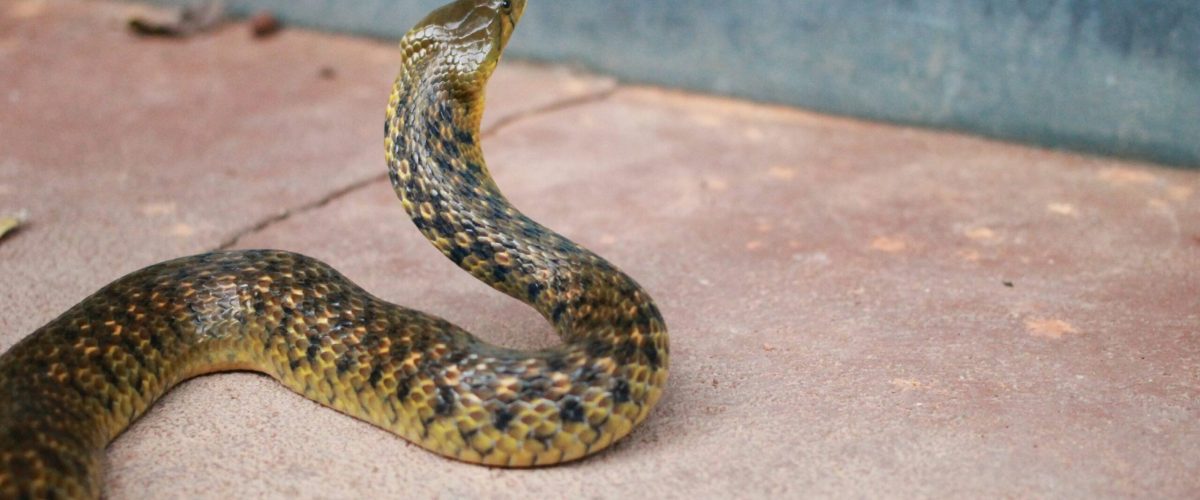
Stepping outside to grab something from the shed and freezing mid-step because you’ve just spotted a snake coiled near the porch is a distinctly Central Texas experience. If you live in Waco, McLennan County, or anywhere in the surrounding Central Texas area, this moment eventually happens to almost everyone with a yard, a garden, or a wood pile.
The good news is that a backyard snake encounter is rarely the emergency it feels like in the moment. Waco’s climate and landscape support dozens of snake species, and the overwhelming majority of them are completely harmless. This guide walks through exactly what to do the moment you spot a snake, how to tell a dangerous species from a harmless one, what real first aid looks like if a bite does happen, and how to make your yard far less appealing to snakes going forward.
Why Waco Backyards See So Many Snakes
Waco sits in exactly the kind of habitat snakes thrive in: warm temperatures for most of the year, nearby waterways like the Brazos River and Lake Waco, wooded lots, and plenty of suburban neighborhoods bordering undeveloped land. Snakes are cold-blooded, so their activity is directly tied to temperature. In this part of Texas, that generally means:
- Late February through March — snakes emerge from winter dormancy and become more visible
- June through August — peak activity season, especially during early morning and evening hours when temperatures are more comfortable for them
- After heavy rain or flooding — snakes move to higher, drier ground, which often means someone’s backyard, garage, or porch
None of this means your yard has a “snake problem.” It means you live in Texas, and snakes are simply part of the ecosystem here, doing useful work by keeping rodent populations in check.
Step One: Stay Calm and Freeze
The single most important thing to do the moment you spot a snake is to stop moving and assess the situation before reacting. Snakes do not hunt people, and they have no interest in chasing you. Nearly every bite happens because a snake felt cornered, was startled, or was being handled or provoked. If you give a snake space and time, it will almost always retreat on its own.
Concretely, that means:
- Freeze in place rather than jumping backward or swatting at it, since sudden movement close to the snake is what triggers a defensive strike.
- Locate exactly where the snake is before you decide which direction to move.
- Back away slowly in a straight line away from the snake, keeping your eyes on it the whole time.
- Keep children and pets away immediately — call them back calmly rather than running toward the snake to grab them.
- Never try to touch, corner, or kill it. A surprising number of bites happen after the snake has already been dealt with, because people continue to handle or move it, not realizing that even a dead snake can still bite reflexively.
Step Two: Try to Identify It From a Safe Distance, But Don’t Assume
Texas is home to dozens of snake species, but only a small handful found in the Waco area are venomous. Being able to recognize the general shape of a dangerous snake, from a safe distance, helps you judge how urgently to act — but if you’re not confident, the safest approach is always to treat any unidentified snake as potentially venomous and keep your distance.
Common Harmless Snakes You’ll Likely See in a Waco Yard
- Texas rat snake — long, dark-colored, and an excellent climber; often mistaken for something more dangerous because of its size, but it’s non-venomous and helps control rodents.
- Garter snake — smaller, with distinct light stripes running the length of its body; frequently found near gardens, ponds, or damp areas and is essentially harmless.
- Rough green snake — slender and bright green; shy, rarely seen up close, and feeds mainly on insects.
- Texas brown snake — small and easily mistaken for an earthworm at a glance; often turned up while digging in flower beds.
- Common water snake — found near ponds, creeks, and drainage areas; frequently confused with the venomous cottonmouth but has a different, narrower head shape and pattern.
Venomous Snakes Found in and Around Waco
Central Texas is home to a few venomous species from the pit viper family, along with the rare coral snake. All of Texas’s venomous snakes except the coral snake are pit vipers, identifiable (from a safe distance only) by a broader, more triangular-shaped head:
- Copperhead — a reddish-brown or copper-toned snake with hourglass-shaped bands down its body; often found near woodpiles, leaf litter, and dense vegetation. Bites are rarely life-threatening but always require medical attention.
- Western diamondback rattlesnake — the most widespread venomous snake in Texas, recognized by its diamond-patterned back and the rattle at the tip of its tail, which it uses as a warning before striking.
- Cottonmouth (water moccasin) — a heavy-bodied, dark snake usually found near rivers, ponds, and creeks, known for displaying the pale white interior of its mouth when threatened.
- Coral snake — rare in the immediate Waco area but present in parts of Central Texas; recognized by bands of red, yellow, and black completely encircling the body. A long-used memory aid distinguishes it from harmless look-alikes by pointing out that on a coral snake, the red bands touch yellow ones, while on harmless mimics, red touches black instead. Because this distinction can be hard to judge quickly, treat any red-yellow-black banded snake as dangerous until confirmed otherwise.
If you’re genuinely unsure what you’re looking at, the safest move is simply to keep your distance, take a photo from far away if you can do so safely, and contact a local wildlife removal service or animal control for identification rather than getting closer to check.
What to Do If a Snake Won’t Leave on Its Own
Sometimes a snake will settle into a spot — under a deck, inside a woodpile, near a door — and stay put rather than moving along. In that situation:
- Keep people and pets out of the area and close off access if possible (shutting a door, blocking a path).
- Do not spray it, poke it with tools, or attempt to trap it yourself. Homemade removal attempts are one of the most common causes of bites.
- Call a licensed wildlife or pest control professional who handles snake removal in the Waco area. They’re trained to safely capture and relocate the snake using proper equipment, and many species are also protected under Texas wildlife law, meaning killing or harming certain snakes can actually result in fines.
- If it’s inside your home, close the door to that room if possible and contact a professional immediately rather than attempting to corner or trap it yourself.
If a Snake Bite Happens: What Real First Aid Looks Like
This is the part where outdated advice can genuinely make things worse. Movies and old folk remedies are responsible for a lot of dangerous myths about snake bites. Here’s what actually matters:
Do:
- Move a safe distance away from the snake immediately so it can’t strike again.
- Call 911 or get to the nearest emergency room as fast as possible, even if you’re not certain the snake was venomous.
- Keep the bitten limb still and, if possible, positioned at or slightly below heart level.
- Remove rings, watches, and tight clothing near the bite site before swelling begins.
- Try to stay calm — a faster heart rate can speed the spread of venom through the body.
- Note the time of the bite and, if it’s safe to do so from a distance, remember what the snake looked like to describe to medical staff.
Never do any of the following, no matter what you’ve heard:
- Do not cut the bite wound.
- Do not attempt to suck out venom, with your mouth or a suction device.
- Do not apply a tourniquet.
- Do not apply ice directly to the bite.
- Do not try to catch or kill the snake to “bring it in” for identification — this leads to a large share of otherwise avoidable bites.
Local emergency rooms and EMS providers in the Waco and Central Texas area are equipped and trained to treat venomous snakebites, including administering antivenom when needed. The overall risk of dying from a venomous snakebite in Texas is extremely low, especially with prompt medical treatment, but any bite from a snake you can’t positively identify as harmless should be treated as a medical emergency and evaluated right away.
How to Make Your Backyard Less Attractive to Snakes
Prevention is far more effective, and far less stressful, than dealing with repeat encounters. Snakes come into yards for two reasons: shelter and food (usually rodents and insects). Remove those two things, and most snakes will simply move elsewhere.
- Keep grass mowed short and shrubs trimmed back from your home’s foundation. Snakes rely on tall grass and dense groundcover for concealment.
- Clear woodpiles, brush piles, and construction debris away from the house, or store firewood off the ground and away from walls.
- Seal potential entry points — gaps around pipes, cracks in the foundation, and unsealed gaps under doors are all easy access points for a snake looking for shelter.
- Control rodent populations. Snakes follow their food source. Secure trash cans, clean up fallen bird seed, and address any rodent activity promptly.
- Store items off the ground in garages and sheds, since piles of boxes, pots, and tarps create ideal hiding spots.
- Be cautious around water features. Ponds, creeks, and drainage areas attract water-loving species like cottonmouths and water snakes.
- Check before you reach. Always look before putting a hand or foot into a wood pile, under a rock, into tall grass, or into a storage container.
- Consider snake-aversion training for dogs if you live in an area with frequent sightings, particularly if pets spend significant time outdoors unsupervised.
- Use light, natural deterrents as a supplement, not a solution. Some homeowners use strong-smelling substances like ammonia-soaked rags in sealed areas, or plant marigolds and lemongrass around the yard’s perimeter. These may offer mild deterrent value, but they’re not a substitute for removing shelter and food sources, which is what actually keeps snakes away long term.
When to Call a Professional in Waco
Reach out to a local wildlife or pest control company that handles snake removal if:
- You’re unable to positively identify a snake and it’s not moving on its own
- A snake has gotten inside your home, garage, or attic
- You’re seeing repeated snake activity around your property, which may point to a shelter or rodent issue that needs addressing
- You have young children or pets and want a professional inspection for peace of mind
A qualified removal service can safely capture and relocate snakes using humane methods, and many will also walk your property with you to identify and fix the conditions that are attracting them in the first place.
Frequently Asked Questions
Are most snakes in Waco dangerous?
No. The large majority of snakes commonly seen in Waco yards — rat snakes, garter snakes, brown snakes, and green snakes — are completely harmless to humans. Venomous species exist in the area but are encountered far less often.
What time of year should I be most alert for snakes in my yard? Snake activity in Central Texas is highest from late spring through early fall, with the biggest spike during the hottest summer months, especially after periods of rain.
Should I try to kill a snake in my yard? No. Most snake species are protected under Texas wildlife regulations, and killing or harming them can carry legal penalties. It’s also unnecessary — nearly every backyard snake will move on if simply left alone.
Can a dead snake still bite? Yes. A snake’s bite reflex can still function for a period after death due to residual muscle contractions, which is why professionals advise against handling any snake, alive or dead.
Is it true that snakes chase people? No. Snakes do not pursue humans. They may move quickly to escape a perceived threat, which can look like an advance, but their goal is almost always retreat, not attack.
Final Thoughts
A snake in your Waco backyard is far more often a moment of surprise than a genuine emergency. Stay still, give it room, identify it from a distance if you can, and call a professional if it doesn’t move along on its own. Combine that awareness with a few simple yard habits — short grass, cleared debris, sealed entry points, and controlled rodent activity — and you’ll dramatically reduce how often you cross paths with one at all. Snakes aren’t looking for trouble in your backyard; they’re just passing through, doing the quiet work of keeping the local ecosystem in balance.