
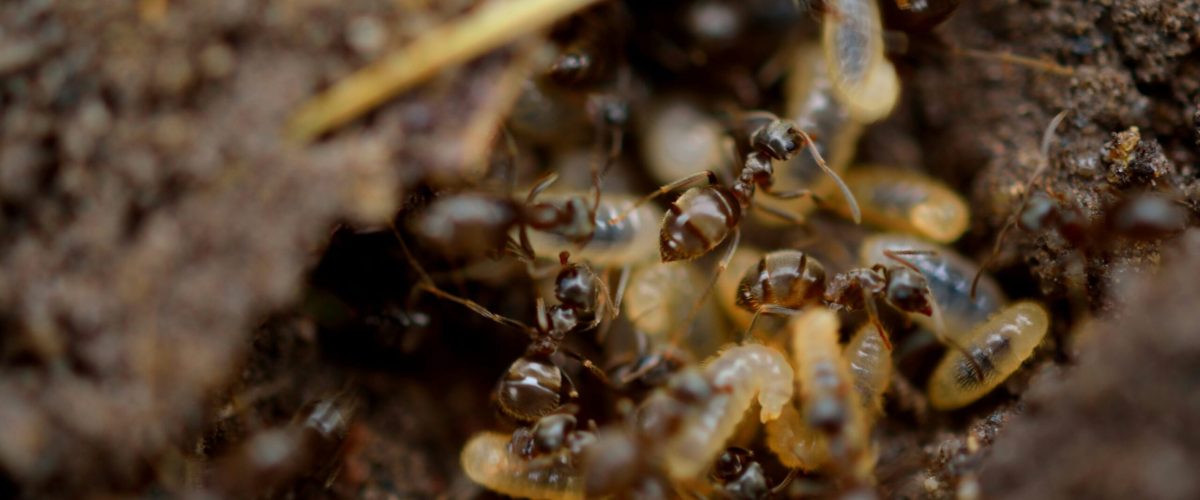
Termites cause more structural damage to American homes each year than fires, floods, and windstorms combined, and yet most homeowners give them far less thought than any of those more dramatic threats. Part of the problem is that termites work slowly and silently, often causing significant damage to a home’s structure long before anyone notices a visible sign. If you live in an area where warm, humid conditions make termite activity a genuine year-round concern, understanding how to protect your home proactively matters far more than most people realize until it’s too late.
Why Certain Areas Carry Significantly Higher Termite Risk
Termites thrive in warm, moist environments, which is exactly why regions with long, humid summers and mild winters tend to see consistently higher termite activity than cooler, drier climates. Central Texas fits this pattern well, with warm temperatures for much of the year creating favorable conditions for subterranean termites, the most common and most destructive species in the region, to remain active far longer than they would in a colder climate.
Homes built on a slab foundation, homes with wood-to-soil contact, and older properties with original wood framing tend to face elevated risk regardless of specific location, since these conditions make it easier for termites to access a structure directly. Understanding whether your own home falls into one or more of these higher-risk categories is the first step toward taking the right precautions.
Eliminate Wood-to-Soil Contact Around Your Home
One of the most effective, and most overlooked, prevention steps is simply eliminating direct contact between wood and soil anywhere around your property. This includes things like wooden fence posts set directly into the ground, firewood stacked against an exterior wall, wooden landscaping borders touching your home’s foundation, and deck or porch supports buried directly in soil rather than set on concrete footings.
Termites can access a structure directly through any of these contact points without ever needing to build the visible mud tubes people commonly associate with an infestation. Walking your property periodically and correcting any wood-to-soil contact you find is a simple, low-cost habit that meaningfully reduces your risk.
Manage Moisture Around Your Foundation
Since termites are drawn to moisture, addressing drainage and water accumulation around your home removes one of the primary conditions that attracts them in the first place. This means making sure gutters and downspouts direct water well away from your foundation, correcting any grading issues that cause water to pool near the base of your home, fixing leaking outdoor faucets or irrigation lines promptly, and ensuring crawl spaces have adequate ventilation to prevent excess humidity from building up underneath your home.
A consistently damp area near your foundation, whether from poor drainage, a slow leak, or dense vegetation blocking airflow, creates exactly the kind of environment termites are naturally drawn toward.
Reduce Cellulose Debris Near Your Home
Termites feed on cellulose, found in wood, paper, and various plant materials, which means excess debris containing cellulose left near your home essentially serves as an open invitation. Clearing away dead tree stumps, old wood scraps, cardboard boxes stored in a garage or shed touching an exterior wall, and excess mulch piled thickly against your foundation all reduce the amount of readily available food sources close to your home.
Mulch in particular deserves attention, since it’s commonly used right up against foundations for landscaping purposes, but a thick layer sitting directly against your home’s exterior can retain moisture and provide easy cover for termite activity happening just beneath the surface.
Schedule Regular Professional Inspections
Because termite damage often develops well before any visible signs appear on the surface, an annual professional inspection is one of the most valuable prevention steps available, particularly for homes in consistently high-risk regions. A trained technician knows exactly where to check, areas like crawl spaces, foundation walls, and other spots most homeowners rarely think to examine closely, and can catch early indicators like small mud tubes or subtle wood damage long before an infestation becomes extensive.
For homes with a documented history of termite activity, or properties in particularly high-risk areas, inspections on a more frequent schedule, sometimes every six months, may be worth considering rather than waiting a full year between checks.
Consider a Preventive Termite Treatment Barrier
For homeowners in consistently high-risk areas, a proactive treatment barrier, whether a liquid soil treatment applied around the foundation or a properly installed bait station system, provides an additional layer of protection beyond passive prevention habits alone. These systems work by either creating a treated zone termites can’t safely cross, or by attracting and eliminating termite colonies before they ever reach your home’s structure.
This kind of proactive treatment tends to make the most sense for homes with a prior termite history, homes in areas with consistently high regional termite activity, or homes with construction features, like slab foundations or older wood framing, that create elevated risk regardless of past history.
Watch for Early Warning Signs Between Inspections
Even with strong prevention habits in place, it’s worth knowing what early termite activity actually looks like so you can catch a developing issue between scheduled professional inspections. Mud tubes, thin, pencil-width tunnels made of soil and saliva, running along a foundation wall are one of the clearest visible signs of subterranean termite activity. Wood that sounds unusually hollow when tapped, small piles of what looks like sawdust near wooden structures, or discarded, translucent wings near windowsills and doors, particularly during spring swarming season, are also worth investigating promptly if noticed.
Pay Attention to Seasonal Swarming Activity
Termite colonies typically send out reproductive swarmers during specific seasonal windows, often in spring in warmer climates, as colonies look to expand into new locations. Noticing a sudden cluster of winged insects near your home, especially around windows, doors, or light fixtures, during this seasonal window is worth taking seriously, since it can indicate an established colony nearby, whether that colony has already reached your structure or is simply active in the surrounding area.
The Bottom Line
Homeowners in high-risk termite areas can’t eliminate risk entirely, but they can significantly reduce it through a combination of consistent prevention habits and proactive professional support. Eliminating wood-to-soil contact, managing moisture around your foundation, reducing cellulose debris near your home, scheduling regular professional inspections, and considering a preventive treatment barrier together create multiple layers of protection rather than relying on any single measure alone. Given how much damage termites can cause before becoming visibly obvious, this kind of proactive approach tends to save homeowners considerably more, in both cost and stress, than waiting to react once a problem has already taken hold.