
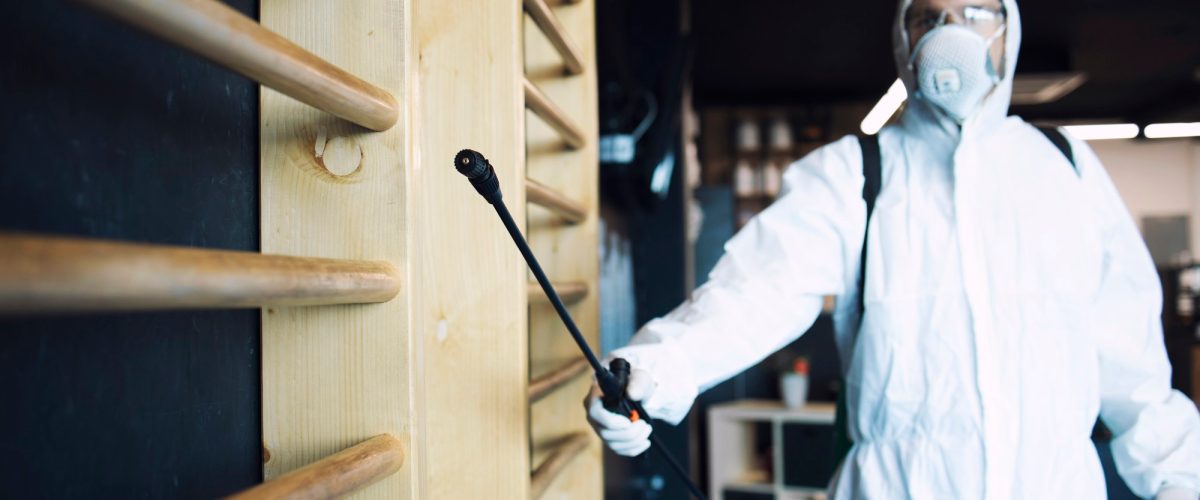
If you’re wondering how to detect bed bugs early, here’s the short answer: the most accurate method is a professional inspection that blends trained dogs with hands-on visual checks. This combo can find infestations with close to 97% accuracy—long before they get out of control.
Understanding Bed Bugs and Why They’re Hard to Catch
Why They’re Such Tricky Pests
Bed bugs are built for stealth. They’re tiny, move at night, and squeeze into just about any crack you can imagine, bed frames, picture frames, even behind electrical plates. You could clean your house from top to bottom and still miss them.
That’s what makes them frustrating. By the time you notice bites or stains, they’ve probably been around for weeks.
Telltale Signs You Might Have Them
Before you panic, check for these giveaways:
- Rusty or dark spots on sheets or along mattress seams.
- Red, itchy welts in small lines or clusters.
- Tiny eggs or pale shed skins stuck in furniture seams.
- A faint sweet, musty odor you can’t quite place.
If any of this sounds familiar, schedule a bed bug inspection soon. The earlier you act, the easier the fix.
Common Detection Methods People Use
Visual Search
Most people start with a flashlight, lifting sheets and checking the seams around the bed. It can work if the bugs are out in the open, but they’re experts at disappearing. Half the time, they’re tucked into dark spots you’d never think to look.
Interceptors and Sticky Traps
You can slide DIY bed bug detection tools, like interceptor cups or sticky traps, to slip under furniture legs. They’ll catch any bugs crawling around, which is handy for confirmation. Still, they don’t always tell you how many are hiding or where they came from. Think of them as early-warning gadgets, not full answers.
Heat and Steam Tools
Heat brings bed bugs out of hiding, which is why professionals sometimes rely on thermal scanners or steam devices during inspections. These tools can detect subtle temperature changes in walls, furniture, and bedding, revealing hot spots where bed bugs are nesting. However, in the wrong hands, applying heat incorrectly can do more harm than good it can push the bugs deeper into cracks and crevices, or, even worse, cause damage to furniture, mattresses, and other household items.
Canine Inspections
One of the coolest (and surprisingly reliable) methods is canine bed bug detection. Specially trained dogs can smell live bed bugs and eggs with amazing accuracy well over 90%. They can sweep an entire building faster than a technician ever could. That’s why hotels and apartment complexes love using them.
DIY vs. Professional Detection
When DIY Is Fine
DIY tools are okay for light monitoring or for peace of mind when you’re just trying to stay on top of potential issues. You can use traps, do flashlight checks, and watch carefully for any stains or unusual markings, especially after travelling or having guests in your home.
But the truth is, you’re essentially guessing. Without proper experience, it’s very easy to confuse everyday debris, like lint, dust, or old crumbs, for actual bed bug evidence, and at the same time, completely miss the real problem that might be hiding out of sight.
Why Professionals Find More (and Sooner)
Experts approach inspections differently. They know where bed bugs hide, how they move, and what patterns mean trouble. Using special tools, heat sensors, and trained dogs, they can find even tiny infestations.
If you’ve ever tried to sleep after seeing one bed bug, you already know the value of certainty. Hiring the best bedbug control services isn’t just about comfort, it’s about catching the issue before it spreads and costs you thousands later.
The Most Accurate Method: Professional Inspections Done Right
A professional bed bug inspection that mixes canine scent detection with human confirmation is as good as it gets.
At Action Services WPC, each inspection follows a careful step-by-step plan: mattresses, furniture seams, outlets, walls, nothing’s skipped.
Studies show dogs can spot infestations with up to 97% accuracy, while human confirmation eliminates false alarms. Together, that means faster results and far less guesswork. It’s the method Waco homeowners, hotels, and landlords trust most.
Keeping Bed Bugs Away After Detection
Once you’ve had an inspection or treatment, a few small habits go a long way:
- Check used furniture carefully before buying.
- Vacuum regularly, especially along baseboards.
- Use mattress encasements to trap stragglers.
- Schedule routine follow-ups with Action Services WPC to stay ahead.
Bed bugs spread easily, so staying vigilant matters more than any single product.
FAQs
- How often should homeowners get checked?
Once or twice a year is smart, especially after travel or guests.
- How often should hotels or apartments schedule checks?
Every three months keeps things under control before guests notice.
- Are dogs really that accurate?
Yes! Trained canines can detect both eggs and live bugs, even when hidden deep within walls.
- Do traps replace professional help?
Not really. Traps are great for spotting activity, but they can’t confirm an infestation or find nesting spots.
- What’s included in Action Services WPC’s inspection?
Everything! Technicians inspect furniture, walls, and outlets, often with the assistance of canine teams, to ensure comprehensive bed bug inspection services with no missed areas.
Final Thoughts
Bed bugs don’t care how clean your house is they only care about access. The sooner you find them, the easier life gets. DIY tricks might help, but professional inspections give you certainty, and that’s worth every penny.
Stop guessing. Schedule your bed bug inspection services with Action Services WPC today and rest easy knowing your home’s in expert hands.