
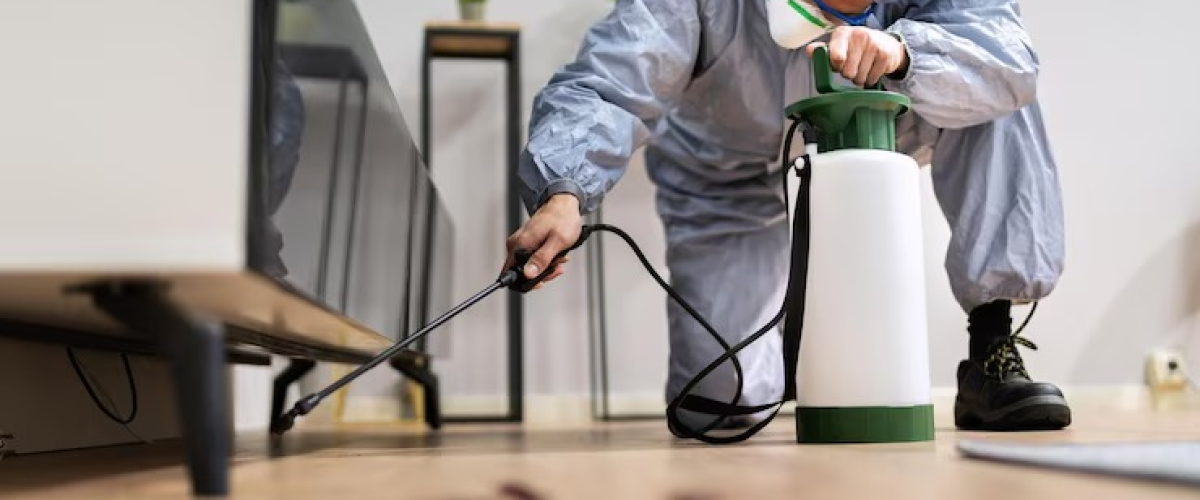
A pest-free home is important for health, safety, and comfort. Knowing how often you need pest control helps achieve this. This guide covers how often pest control should happen. It also lists factors affecting the schedule and benefits of regular service.
Understanding Pest Control Frequency
No single answer fits all homes for how often pest control should be done. Most professionals recommend quarterly pest control services. This schedule matches seasonal pest patterns. It helps provide year-round protection. More frequent treatments may be needed in some cases. This is true for persistent pests like cockroaches or rodents. Homes with very few pests might choose biannual services.
Why “One Size Fits All” Doesn’t Work in Pest Control
Every home is distinct due to its setting, design, and where it’s situated, causing different levels of pest issues. Certain homes near open land or water might face more problems with mice or mosquitoes. In contrast, some dwellings, like tall apartment buildings, seldom encounter pests unless there’s a nearby problem. Pest control frequency depends on this unique pest pressure. So, even though quarterly service is a great general guideline, custom assessments provide better long-term control.
Factors Influencing Pest Control Frequency
Several things affect how often pest control should happen:
Geographic Location
Your location impacts pest activity. Warmer climates may have year-round pest issues. This requires more frequent treatments. Humid regions can also face challenges. Examples include pests related to mold or large numbers.
Pests and Climate: What the Weather Brings
Ever notice how the weather seems to bring out different pests? It’s not just your imagination! Warm winters mean bugs like ants and termites can stay active all year. But in colder places, pests might just move inside to escape the chill. Even small changes in rain or humidity can cause a sudden boom in pest numbers, like how a lot of rain followed by hot days can lead to a huge mosquito outbreak.
Types of Pests
- Different pests have different life cycles and behaviors.
- Termites may need annual inspections.
- Ants, spiders, or mosquitoes might need quarterly or monthly attention.
If you wonder how often pest control should be done for specific pests, ask a local expert. They know the common pests in your area.
- Ants are often more active in spring and summer. They may need bi-monthly or quarterly treatments.
- Cockroaches reproduce fast. They thrive year-round, especially in warm areas. Monthly treatments may be needed until the infestation is controlled.
- Termites typically get annual inspections and treatments. If there is active damage, more frequent follow-up may be needed.
- Rodents seek warmth and food in cooler months. They can enter through small openings. Preventative quarterly pest control is good for homes with past rodent problems.
Pest-Specific Challenges
Certain pests, such as bedbugs, can be very resistant. Eradicating them typically requires multiple pest control visits. They are difficult to fully remove. Even a small remaining population can quickly reproduce.
Fleas pose a problem, especially for those who own pets. Their eggs can be hidden deep within carpets, upholstery, and where pets sleep. This could make you think the problem is gone, only to see it return quickly. As a result, dealing with infestations often calls for more frequent and thorough treatments to completely eliminate them.
Property Type and Age
Older homes or those with structural issues often have cracks, gaps, or moisture problems. These attract pests. For older homes, regular pest control is more critical. Newer homes are often better sealed. But they can still have construction gaps that allow entry. This is true if nearby areas are being developed.
Multi-Unit Housing vs. Single-Family Homes
Apartments or condos with shared walls may experience infestations due to neighboring units, even if your unit is spotless. In such cases, monthly or bimonthly services may be needed until the building as a whole is under control. Single-family homes allow more control over external factors but still benefit from seasonal treatments.
Previous Infestations
If your home had pest issues before, especially recurring ones, a more frequent treatment schedule is often needed. For example, if ants have been a problem multiple times, quarterly treatments might be the minimum. A consistent pest control plan reduces repeat invasions.
The Risk of Re-Infestation
Pests leave behind pheromones and trails that can attract future pests. If one area had an issue before, chances are high it might happen again without preventive measures. Ongoing treatments break that cycle.
Lifestyle and Household Habits
Your lifestyle also impacts how often pest control should be done.
- Homes with pets or children may need extra care and more frequent checks.
- Improper food storage, left-out crumbs, or clutter can attract pests.
- Vacation homes or properties in the empty part of the year may need a different plan. This often means treatments before moving in and after leaving.
Household Behavior Impacts Pest Activity
Even something as simple as keeping pet food bowls full overnight can be an open invitation to pests. Composting indoors without sealed containers, storing firewood next to the house, or keeping dense shrubbery touching your siding all increase your pest risk. Adjusting habits and scheduling regular pest control can create an effective defense strategy.
Benefits of Regular Pest Control Maintenance
Knowing how often to do pest control involves understanding its benefits. These are the main advantages of a consistent schedule:
Prevention Overreaction
It’s always better to stop a pest problem before it even starts. Trust me, it’s cheaper and way less stressful than trying to fix a full-blown infestation later. Regular checks and treatments do just that: they catch tiny issues before they become huge headaches. Being proactive really saves you time and money and prevents a lot of damage to your home.
Health Protection
Pests like rodents, roaches, and mosquitoes do more than just annoy you. They carry harmful germs. These can spread serious illnesses. Things like salmonella, Lyme disease, and West Nile virus. Getting rid of pests regularly cuts down on your family’s contact with these germs and bad bacteria. This is extra important if you have kids or older folks at home.
Property Preservation
Termites can silently destroy wooden structures. Rodents can chew through electrical wiring, insulation, and drywall. Ongoing pest control maintenance protects your home’s structure. It can save thousands in repairs.
Peace of Mind
Seeing pests in your home is unsettling. Regular pest control ensures you won’t be surprised. A quarterly pest control plan keeps you ahead of pests.
Improved Quality of Life
A pest-free home feels better. You sleep better without bedbugs. You enjoy your space more without constant stress. Pest control improves your well-being.
Quarterly Pest Control: The Standard
For most homes, quarterly pest control is the standard. It balances prevention and cost well. This means treatments every three months, targeting pests based on seasonal activity.
A typical quarterly schedule may look like this:
- Spring: Focus on ants, spiders, and emerging insect activity.
- Summer: Address mosquitoes, flies, and increased rodent movement.
- Fall: Seal entry points as pests seek winter shelter.
- Winter: Monitor for rodents and indoor pests taking shelter.
Many pest control companies also offer warranties or free follow-ups with quarterly plans. This adds value and reassurance.
Affordable and Predictable
Quarterly services also allow budgeting pest control as a recurring cost. Many providers offer bundled savings for signing up for a year, often with priority service in case of emergencies.
Monthly Pest Control: When Needed?
If you have a severe or ongoing infestation, monthly visits may be needed—at least at first. This is common for:
- Restaurants or food-handling businesses.
- Apartment complexes with shared walls and many units.
- Homes with consistent issues with cockroaches, bedbugs, or fleas.
- Heavily wooded or rural homes are where wildlife often enters.
In these cases, professionals may start with intensive monthly treatment. They will then reduce frequency to a quarterly or bimonthly plan as the infestation is controlled.
The Role of Follow-Up Treatments
Pest control is rarely a one-time fix. Eggs hatch, colonies move, and surviving pests can re-emerge. Monthly visits are critical during this period of suppression and monitoring. After that, maintenance keeps them from returning.
Bi-Annual or Annual Treatments: Who Qualifies?
Some low-risk properties may do well with bi-annual or annual pest control treatments. These are best for:
- Condo units or high-rise apartments with low pest exposure.
- Homes in dry, temperate climates with few pest issues.
- Households with strict cleaning and maintenance habits.
However, even clean homes can have pests. Annual inspections—especially for termites and rodents are recommended even for the lowest-risk homes.
Don’t Skip Inspections
Even if you haven’t seen a pest in years, structural pests like termites often go unnoticed until the damage is done. A simple annual checkup can catch early signs and prevent costly repairs.
Tailoring Your Pest Control Plan
Every home is different. Pest control should be customized. If you are unsure how often you need pest control, ask a professional for an initial inspection and risk assessment.
Key things to consider:
- The layout and design of your home.
- Landscaping (e.g., wood piles, standing water, or overgrown plants).
- Presence of pets or livestock.
- Local climate and rainfall.
With this information, your pest control provider can design a custom schedule that is effective and affordable.
Signs for Immediate Pest Control
Even on a maintenance plan, some signs mean you should call immediately, not wait:
- Droppings or grease marks on walls.
- Chewed wires, wood, or food packaging.
- Nighttime rustling or scratching sounds.
- Unexplained bites, rashes, or allergic reactions.
- Visible insects during daylight hours (especially roaches).
If any of these signs appear, call professionals right away. Do not wait for your next scheduled visit.
Action Services: Your Trusted Pest Control Partner
At Action Services, we know pest control is more than just spraying chemicals. It is about creating a plan that fits your life. Whether you need quarterly pest control, emergency services, or a long-term maintenance contract, we are here to help.
Our technicians assess your property. They identify vulnerabilities. We recommend a tailored schedule that works. We use safe, family-friendly products. We back our services with a satisfaction guarantee.
Final Thoughts: So, how often should pest control be done?
To recap: when deciding how often to do pest control, use these guidelines:
- Quarterly pest control is ideal for most homes.
- Monthly treatments may be needed for active or severe infestations.
- Bi-annual or annual treatments might work for low-risk homes with minimal pest issues.
- Your geography, home type, and lifestyle impact frequency.
- Prevention is better (and cheaper) than emergency extermination.
Work with experienced professionals like us. Create a schedule that keeps your home pest-free, your family healthy, and your stress levels low.